


If you are serious about landscape photography, architecture, or creating cinematic video frames, you know full well...

Search
Say something...
Nothing found. Please repeat.
Unsupported browser. Sorry...
Search
Say something...
Nothing found. Please repeat.
Unsupported browser. Sorry...
-
-
Photo lenses
-
-
11mm
 15mm
15mm  21mm
21mm  30mm
30mm  45mm
45mm  150mm
150mm  Kits
Kits 
-
- Macro
- Video lenses
- Filters
-
-
Screw-in filters
 Irix System
  Magnetic MMS
  Magnetic MMS Drop-In
  Other filters
  Language selectorSettingSearch
Say something...
Nothing found. Please repeat.
Unsupported browser. Sorry...
CartThere are no more items in your cart0Blog
Stay updated with the Irix blog
-
 Perfection in every frame. A guide to the Irix Edge 100 mm square filter systemRead more...
 -
 Why Irix Revo? Filters built for tough conditions09/15/2026Read more...
A good photographic filter should do its job while staying out of the way of the lens behind it as much as possible....
-
 Affordable Hollywood Within Reach08/26/2026Read more...
Modern video production has long moved beyond the boundaries of big-budget film studios, giving independent...
Blog categories
Search in blog

Why Irix Revo? Filters built for tough conditions
Posted on: 09/15/2026By Marcin FA good photographic filter should do its job while interfering as little as possible with the lens behind it. When shooting outdoors, there is one more important consideration: the equipment must cope with water, dust, fingerprints and frequent cleaning.
This is exactly where things start to get interesting with Irix Revo. The current series includes Revo CPL polarizing filters and Revo UV & Protect protective filters. Their purposes are different, but they share the same approach to optical quality and practical use in the field. Revo is not only meant to provide a specific effect — it should also work as seamlessly as possible with the lens during everyday photography.

Forests after rain and waterfalls – Revo CPL has more to offer here than polarization alone
Such places are not only inherently fascinating to photograph, but they are also among the best places to use a CPL filter. Wet leaves, rocks and tree trunks reflect light, causing some of the greenery and fine details to disappear beneath a layer of glare. A polarizer helps reduce these reflections. In the case of Revo CPL, however, what happens to the image after the light passes through the filter itself is also important.
The Japanese AGC optical glass used in it was selected with high clarity and neutral color reproduction in mind. An independent field test of Revo CPL specifically highlighted the preservation of natural colors and sharpness — without an unwanted color cast, which in landscape photography can later mean additional work during post-processing. This is particularly important in a forest. We want to remove the glare from a wet leaf, but we do not want to change the character of its green color in the process.
On top of that, there is an 18-layer coating that includes, among other things, anti-reflective, hydrophobic and oil-resistant properties, as well as increased resistance to dirt and scratches. When water from a waterfall settles on the equipment or the filter surface needs wiping after several changes of composition, the ability to easily remove droplets and smudges stops being just a detail in the specification table. It simply starts saving time.
By the water, it is not only reflection reduction that matters, but also precise control over the effect
Water environments such as lakes, rivers or coastal bays are classic places to use a polarizing filter. By rotating the filter, we can decide both how much of the sky's reflection remains on the surface of the water and how many details beneath the surface appear in our photograph.
Here, it is worth paying attention to another feature of Revo CPL: the operation of the ring. A field test highlighted its smooth yet appropriately firm rotation. This makes it easier to stop the polarization exactly where we want it instead of jumping between an effect that is too weak and one that is too strong.
This is important because a CPL should not work like an “on / off” switch. Sometimes we want to eliminate reflections almost completely in order to reveal the stones beneath the water. At other times, part of the reflected sky is what creates the image and simply reducing its intensity is enough. Revo CPL allows polarization to be treated as an adjustable tool rather than a ready-made effect applied to every photograph.
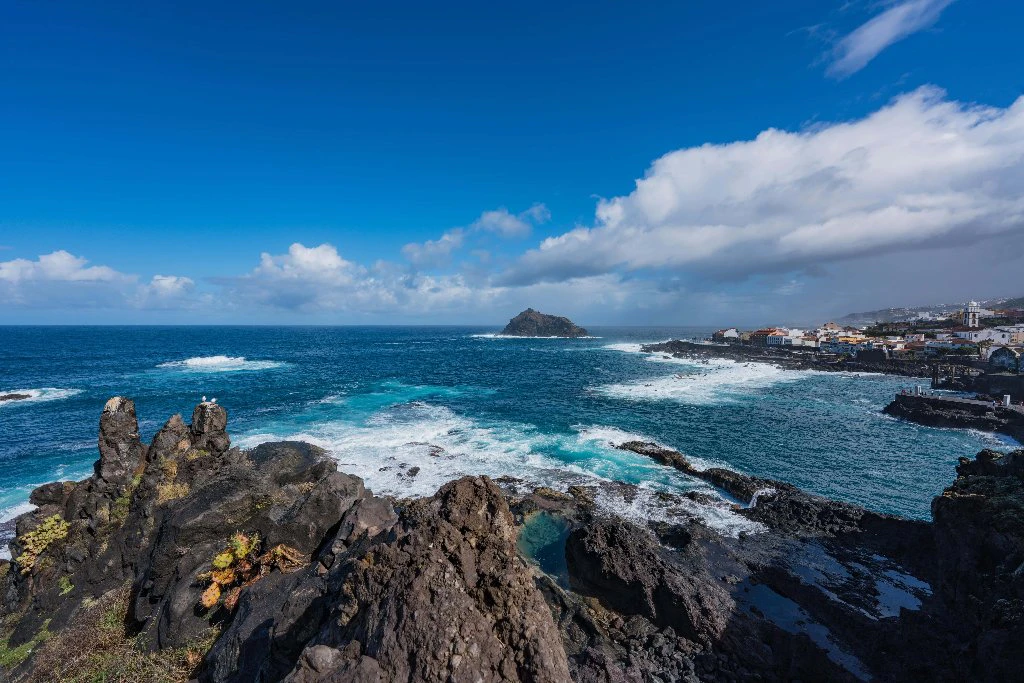
The coast – an environment where coatings really start to work
Photography by the sea quickly puts equipment to the test. Tiny droplets of salt water, moisture, sand and marks left behind when constantly handling the camera all end up on the filter. In such conditions, image quality alone is no longer the only argument in favor of Revo.
Hydrophobic and oil-resistant coatings reduce the adhesion of water and greasy contaminants, while making the filter surface easier to clean. Water droplets, fingerprints and dust can be removed easily, even while shooting in the field.
This is a good example of the difference between a specification and a real-world benefit. A hydrophobic coating will not take a better sunset photograph. It can, however, mean that instead of spending several minutes struggling with smudges on the filter, we can clean it and take the shot before the light changes completely.
Wide angle? Revo also takes the frame into account
Landscape photography very often means using a wide-angle lens. And it is precisely at wide focal lengths that an overly thick filter frame can enter the field of view and cause vignetting.
The Irix Revo CPL frame is only 4 mm thick, while the Revo UV & Protect is even thinner at 3.7 mm. This construction was designed specifically with wide-angle lenses in mind.
This is particularly important in a filter series aimed at landscape and architecture photographers. A good filter should not force you to give up the widest angle simply because its frame appears in the corners of the image.
In Revo, the thin frame is therefore not so much a matter of aesthetics as it is about giving the photographer complete freedom to use the lens.

Architecture and the city – neutrality matters here too
A CPL is not reserved for mountains and waterfalls. Glass facades, shop windows, cars and wet surfaces also create strong reflections that can dominate a photographed scene. A polarizing filter allows some of them to be reduced.
In architectural photography, however, there is an additional requirement: color should remain predictable. A building facade, concrete, wood or interior elements viewed through glass should not acquire an accidental color cast simply because a filter has been placed in front of the lens.
This is why the use of neutral optical glass in Revo CPL has practical significance. An independent test highlights the absence of a visible color cast and the preservation of sharpness and contrast, which fits particularly well with the requirements of architecture and landscape photography.
What if we simply want to protect a good lens?
Not every situation requires polarization. Sometimes we simply need to protect the front element of the lens. And this is exactly where Irix Revo UV & Protect comes in.
The problem with a protective filter is simple: we are adding another optical surface in front of what is often a very good and expensive lens. If the filter uses poor-quality glass or inadequate coatings, we may end up paying for protection with a loss of image quality.
That is why one of the key parameters of Revo UV & Protect is its 98.9% light transmission in the 420–750 nm range. The filter uses Schott B270 optical glass and 18-layer coatings, including layers designed to reduce reflections.
And this is where the answer to the question arises: why choose Revo as a protective filter? Because its purpose is to protect the lens while making its presence in the optical path as unobtrusive as possible.
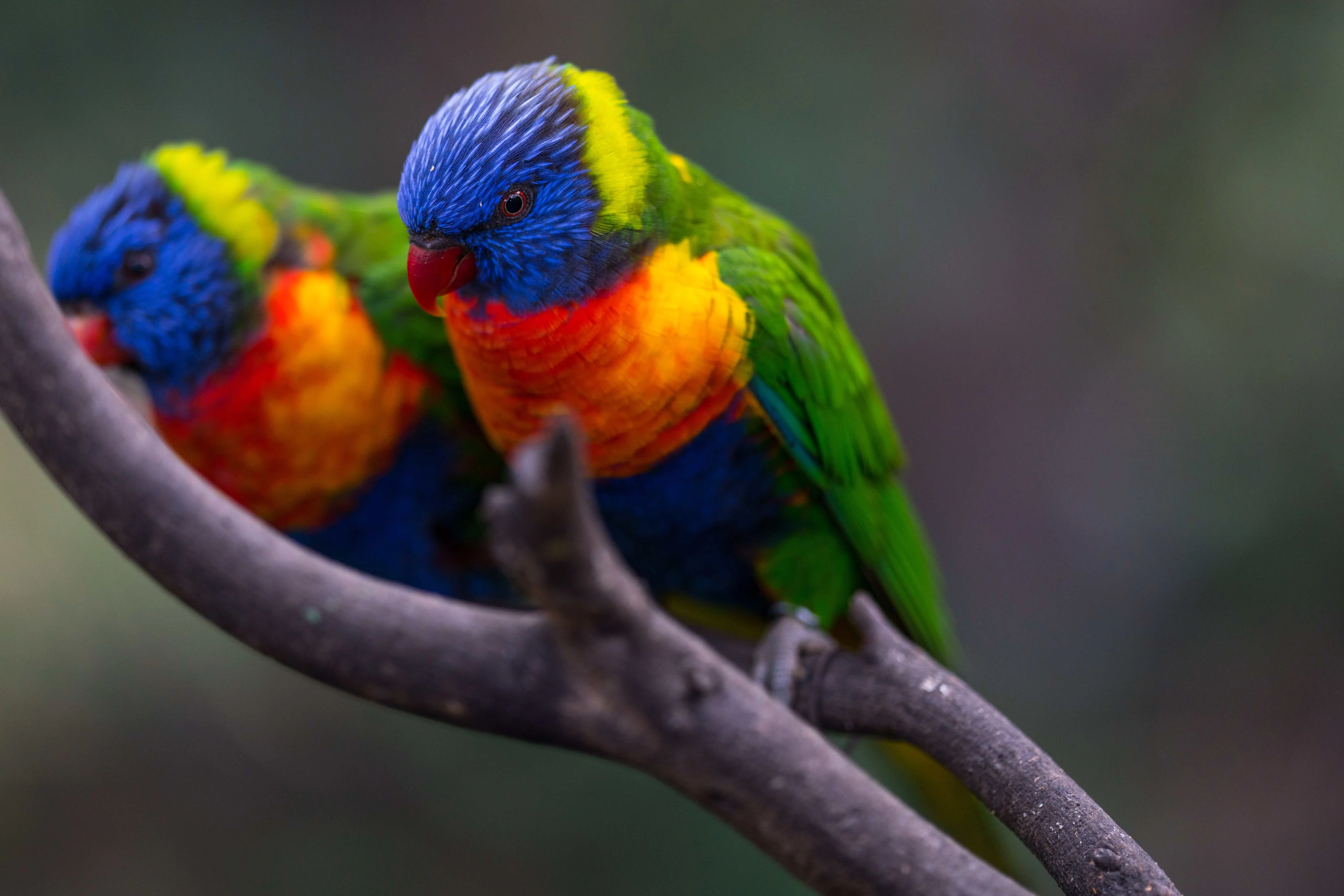
Revo UV & Protect is particularly well suited to travel
When traveling, the camera often spends most of the day outside the bag. A beach, a mountain trail, a crowded city, dust or light rain all mean constant exposure of the front of the lens to the surrounding environment. Revo UV & Protect creates a physical barrier against dust, moisture and accidental damage, but its construction has been designed so that this protection does not involve significant interference with the image.
In addition to high transmission, hardened glass and coatings that increase resistance to scratches, water, greasy marks and dirt are used. With frequent cleaning, this makes a significant difference — it is much better to regularly wipe a protective filter than the front element of an expensive lens.
There is also the thin 3.7 mm frame, which allows the filter to remain on the lens even when using a wide angle.
A filter for everyday use? Small details that initially go unnoticed matter
It is easy to overlook the filter's front thread in the specifications. In practice, it is very useful because it allows a lens cap, hood or another filter to be attached without removing Revo. Both the CPL and UV & Protect retain a front thread. This is another feature that may not seem particularly impressive on paper, but starts to matter after a few weeks of use.
The same applies to easy cleaning and the thin frame. The best features of a filter often come down to the fact that you do not have to think about it while taking photographs.

CPL or UV & Protect? With Revo, each has a clearly defined purpose
Revo CPL is worth choosing when the filter is meant to actively help create the image: controlling reflections on water and glass, bringing out the color of wet vegetation or organizing the scene in landscape and architecture photography. It is in these applications that neutral AGC glass, the thin frame, precise polarization adjustment and coatings resistant to field conditions become important.
Revo UV & Protect has a different purpose. Above all, it should protect the lens as discreetly as possible during everyday use. Here, the key features are 98.9% light transmission, Schott B270 glass, anti-reflective coatings, hardened construction and a very thin frame.
And that is precisely why it is difficult to speak of one “best” Revo. We choose CPL when we want to take control of the light. We choose UV & Protect when we want to protect the glass while affecting the image as little as possible.
In both cases, the advantage of Revo is not limited to the type of filter itself. It comes from the way its construction, glass and coatings have been matched to the situations in which we will actually use it.
Posted in: Irixlens BlogRelated posts
-
 Happy Easter
Posted in: Irixlens Blog04/06/2023Easter is just around the corner and you know what that means - it's time for our egg-cellent sale!Read more...
Happy Easter
Posted in: Irixlens Blog04/06/2023Easter is just around the corner and you know what that means - it's time for our egg-cellent sale!Read more... -
 Start may with Irix
Posted in: Irixlens Blog04/27/2023The weather is getting better, nature is blooming, so it's the perfect time for nature photos. Our lenses will help...Read more...
Start may with Irix
Posted in: Irixlens Blog04/27/2023The weather is getting better, nature is blooming, so it's the perfect time for nature photos. Our lenses will help...Read more... -
 SUMMER DEAL – ALL FILTERS ARE 25% OFF!
Posted in: Irixlens Blog06/15/2023Unleash the beauty of your travel photography with Irix – enjoy 25% OFF all filters up until July 15th!Read more...
SUMMER DEAL – ALL FILTERS ARE 25% OFF!
Posted in: Irixlens Blog06/15/2023Unleash the beauty of your travel photography with Irix – enjoy 25% OFF all filters up until July 15th!Read more... -
 FATHER’S DAY 2023 – 25% OFF SELECTED LENSES!
Posted in: Irixlens Blog06/18/2023Make this year's Father's Day truly special and give your dad a one-of-a-kind gift - Irix Dragonfly 30 mm and 45 mm...Read more...
FATHER’S DAY 2023 – 25% OFF SELECTED LENSES!
Posted in: Irixlens Blog06/18/2023Make this year's Father's Day truly special and give your dad a one-of-a-kind gift - Irix Dragonfly 30 mm and 45 mm...Read more... -
 Q MEDIA uzyskało dotację z Unii Europejskiej na realizację projektu
Posted in: Irixlens Blog02/05/2025Q MEDIA uzyskało dotację z Unii Europejskiej na realizację projektu pn. „Promocja produktów marki IRIX na rynkach...Read more...
Q MEDIA uzyskało dotację z Unii Europejskiej na realizację projektu
Posted in: Irixlens Blog02/05/2025Q MEDIA uzyskało dotację z Unii Europejskiej na realizację projektu pn. „Promocja produktów marki IRIX na rynkach...Read more...
Call Our Store
Boxed:
Sticky Header:
Sticky Add To Cart
Font:

Header 1

Header 2

Header 3

Header 4

Cookie information
This website site uses cookies to provide you with the highest quality experience. We also use third-party cookies to improve our services, analyze and then display ads related to your preferences based on your browsing behavior analysis. Our Cookie & Privacy Policy.
Cookie management
Cookies necessary to ensure proper service and operation of our online store. They allow us to remember user settings, such as language, currency, shopping cart contents, page layout, etc. Functional cookies do not collect any personal data or send any information to external parties.
Cookies Provider Purpose Validity term PHPSESSID IRIX Store The PHPSESSID is a cookie that is used to identify a user's session on a website. A session is a mechanism for preserving state and user information between individual requests during a single connection session. The PHPSESSID cake stores a unique session ID that is required to process requests and responses between the browser and the server. These cookies only last until you close your browser.
Session PrestaShop-# IRIX Store The PrestaShop cookie stores data to keep the user's session open, including currency, language, customer ID, and other necessary information for the shop's proper operation.
480 hours _x13eucookie IRIX Store Remembers cookie preferences.
365 days _x13eucookie_consent_hash IRIX Store Remembers cookie preferences and latest consent date.
1 year _ga_* Google Used by Google Analytics to collect data on how many times a user has visited the site, as well as dates of the first and last visit.
1 year test_cookie Google Used to check if the user's browser supports cookies.
1 day Statistics cookies collect anonymous information about users, such as the number of visitors, link sources, etc. These files help us understand how visitors use our website.
Cookies Provider Purpose Validity term _gid Google Registers a unique identifier that is used to generate statistical data about how a visitor uses the site.
1 day _gat Google Used by Google Analytics to throttle request rate
1 minute _ga Google Registers a unique identifier that is used to generate statistical data about how a visitor uses the site.
2 years Marketing cookies are used to track users through different websites. Their purpose is to show more tailored advertising content.
Cookies Provider Purpose Validity term _gcl_au Google Used by Google AdSense to test ad effectiveness on the websites that use their services.
permanent _fbp Facebook This is a cookie set by Facebook and is used to deliver a series of advertisement products such as real time bidding from third party advertisers.
3 months These cookies are fine-tuning our website to your preferences. For example, they are used to display a selection of products recommended for you.
Cookies Provider Purpose Validity term cp-popup-last-displayed Irix This Cookie keeps a record of when the last time a pop-up banner was displayed on a page.
3 days cp-popup-4 Irix This cookie brings up the pop-up window.
permanent Other cookies that are not uniquely classified.
Security cookies provide security authentication, fraud prevention measures and other user protection services.
Cookies Provider Purpose Validity term __stripe_mid Stripe Set for fraud prevention purposes and helps us assess the risk associated with an attempted transaction
1 year __stripe_sid Stripe Set for fraud prevention purposes and helps us assess the risk associated with an attempted transaction
30 minutes About Cookies
Cookies are small text files that are stored on your computer or mobile device by the websites you visit. They are used for various purposes, such as remembering user login information, tracking user behavior for advertising purposes and personalizing the user's browsing experience. There are two types of cookies: session cookies and persistent cookies. The former are deleted when your browser session ends, while the latter remain on your device for a specified period of time or until you manually delete them.
-
Leave a comment